Jean’s work at Do Picho was exhibited at Castelo de Pambre from 13 September to 8 November 2025, as part of the Unsettled Spaces exhibition of her recent work in Galicia, Antarctica, and Cape Town. On 8 November, Jean was back in Palas de Rei for a finissage event at Castelo de Pambre, as well as to participate in a live recording of episode 402 of the legendary podcast, El hombre que se enamoró de la Luna (The man who fell in love with the moon).
From 14 March to 30 April 2026, the Unsettled Space exhibition can be seen in Betanzos at Libraría Biiblos.
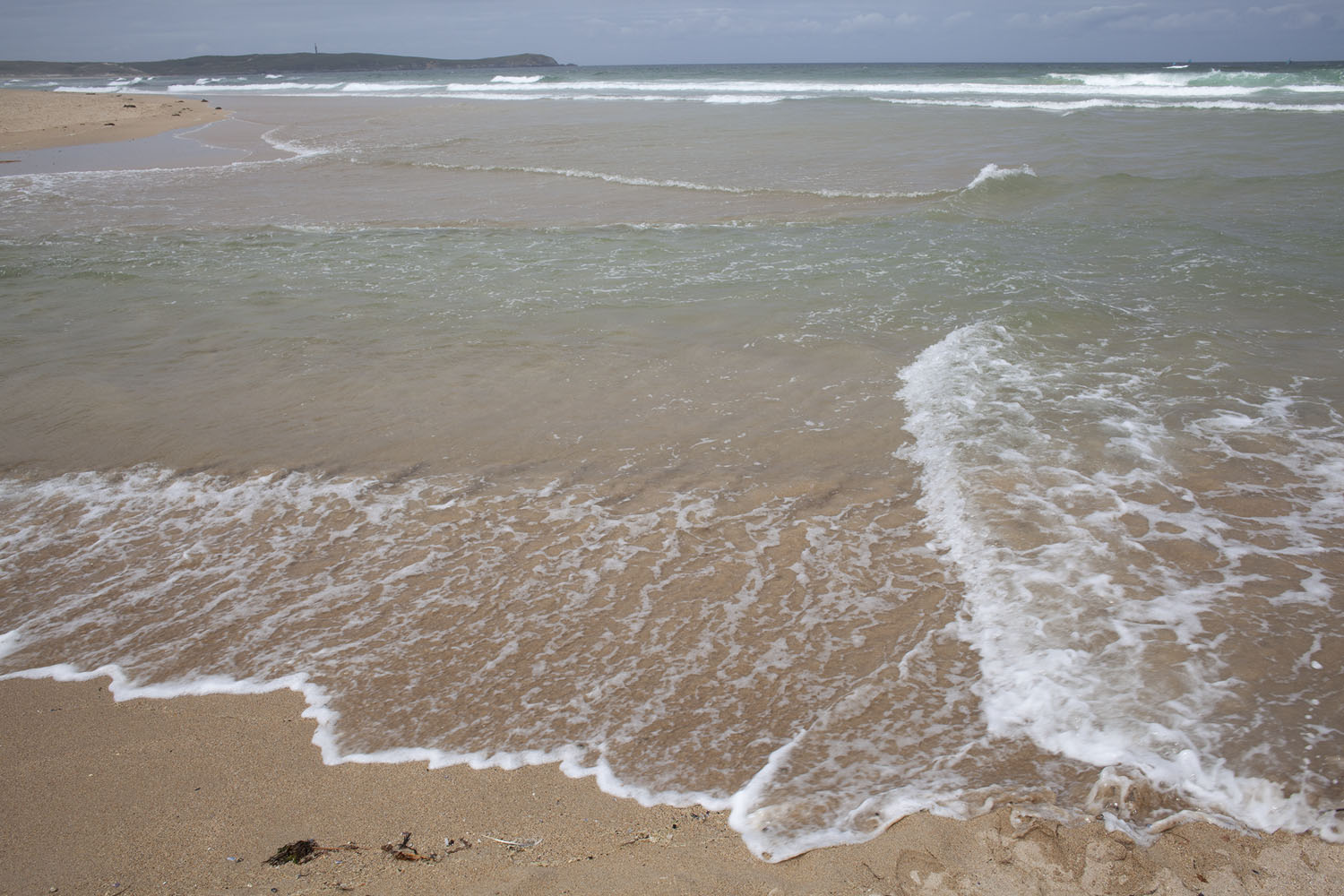
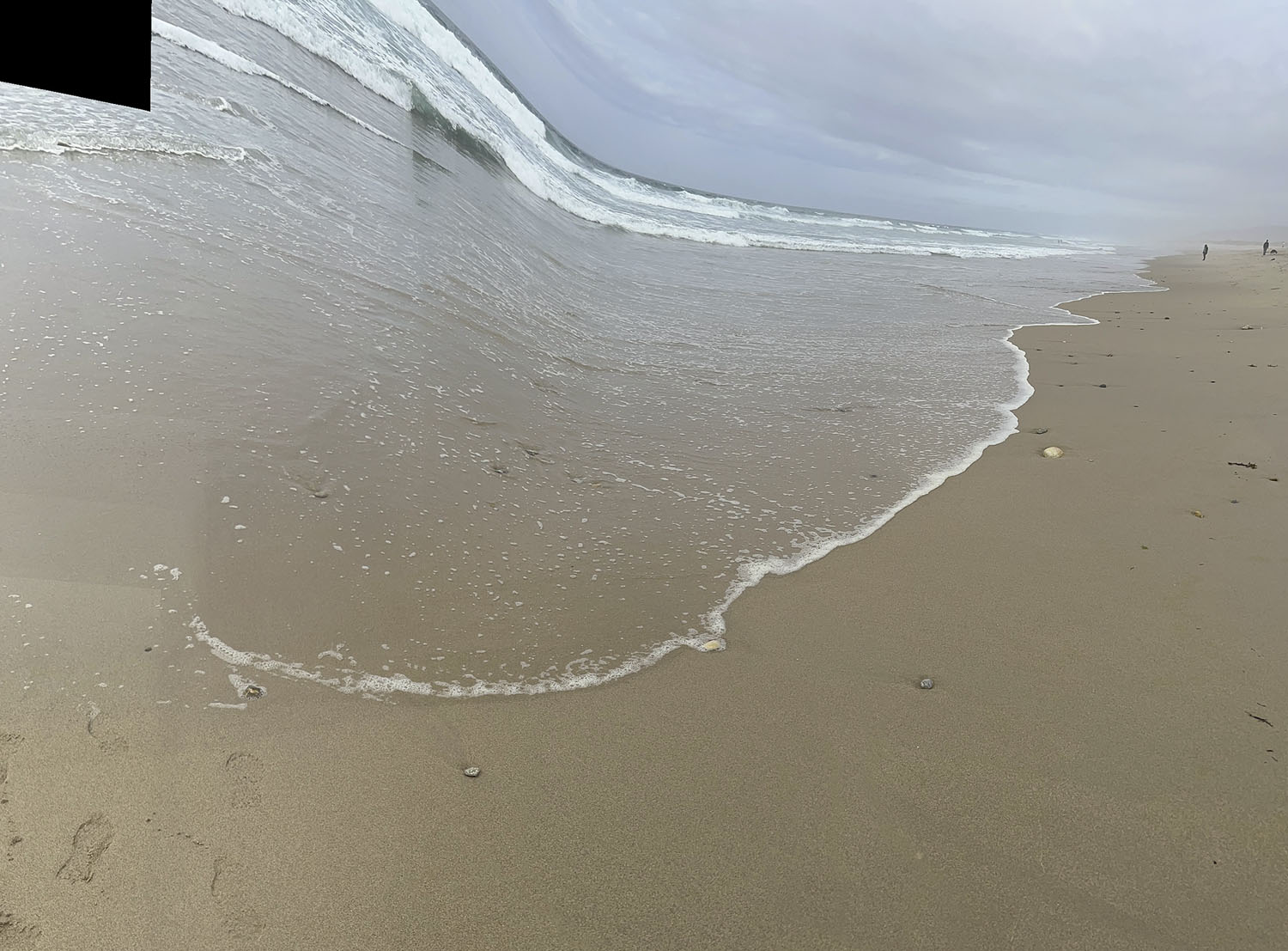
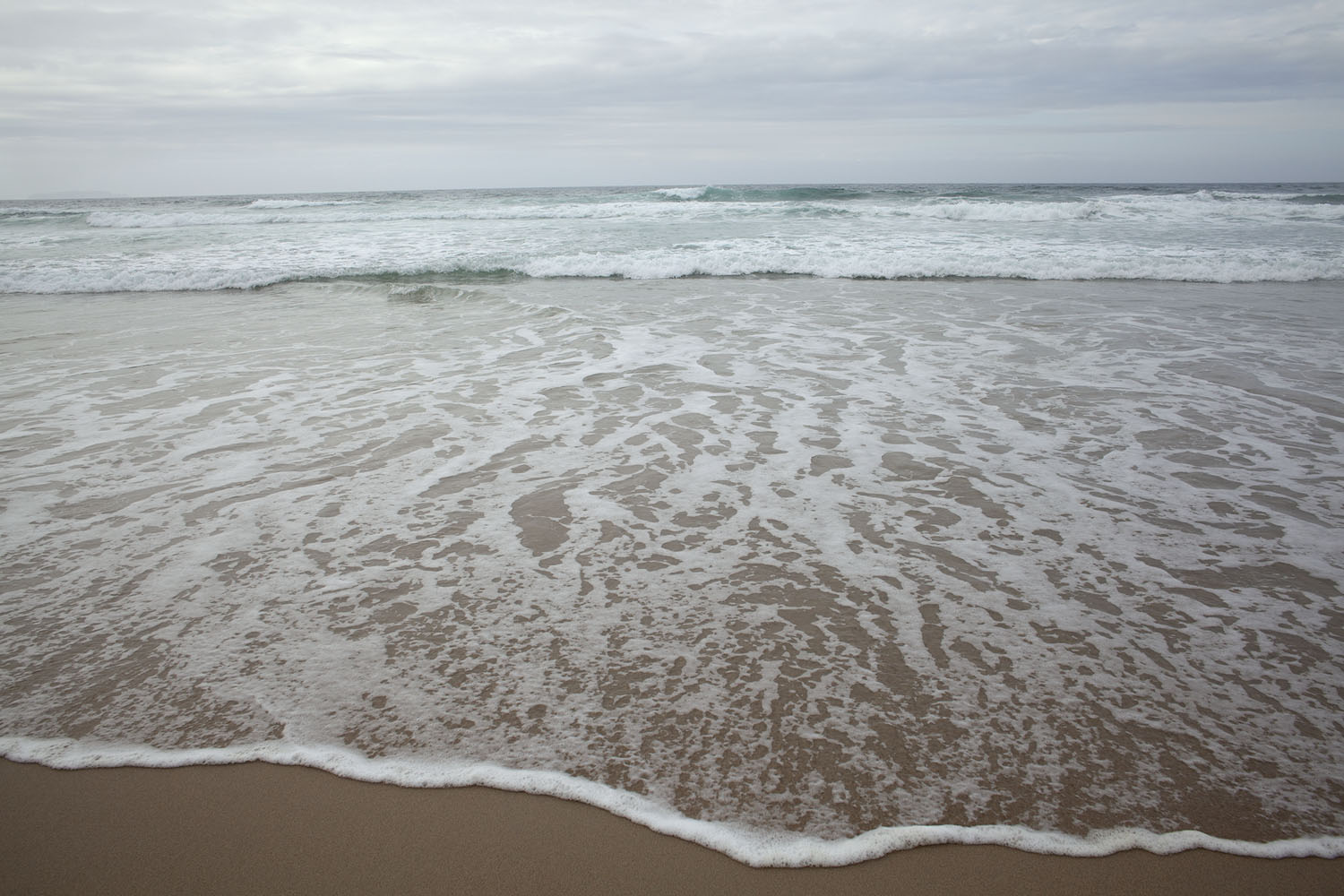
The following is the curatorial statement of the exhibition, together with images taken by Jean.
UNSETTLED SPACES: THE END OF THE WORLD
This exhibition focuses on plastic pollution in the ocean. In December 2023, a shipping container was lost at sea, spilling millons of plastic pellets into the ocean. That event was the anchor for this project, which South African artist Jean Brundrit conceived in August/September 2024 as artist in residence at Do Picho (www.dopicho.com).
Thousands of bags filled with tiny white plastic pellets, which are used to manufacture plastic products, washed up on the Galician coastline, prompting a massive clean-up operation. When the artist visited the coast nine months after the spill, pellets were still buried in the sand, just below the surface but out of sight. The environmental impact of this kind of pollution is not limited to unsightly plastic on beaches. The plastic alters the ecosystem, causing harm to birds, fish and other coastal animals. It is absorbed into the food chain, with far-reaching consequences, some of which will become apparent only in the future.
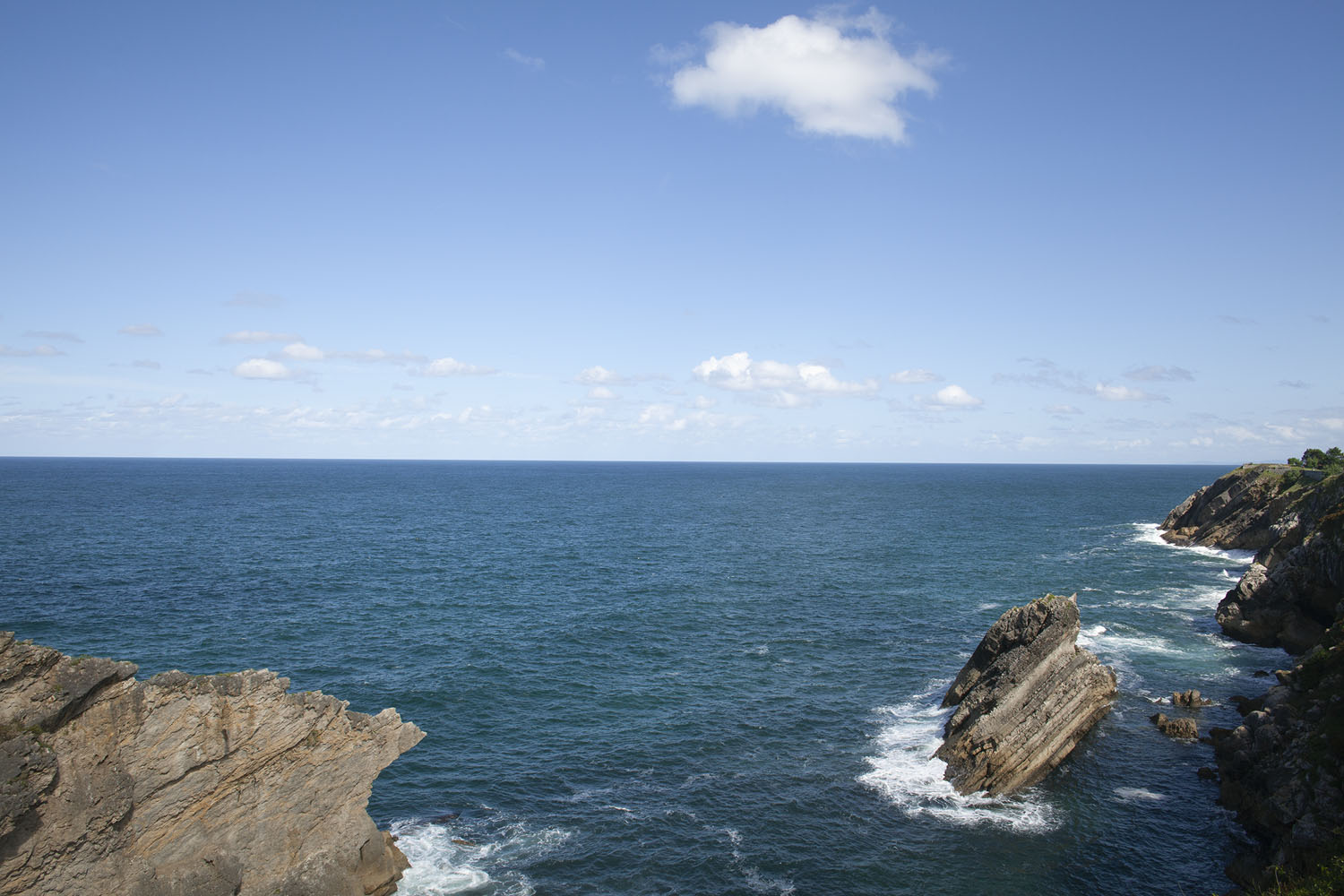
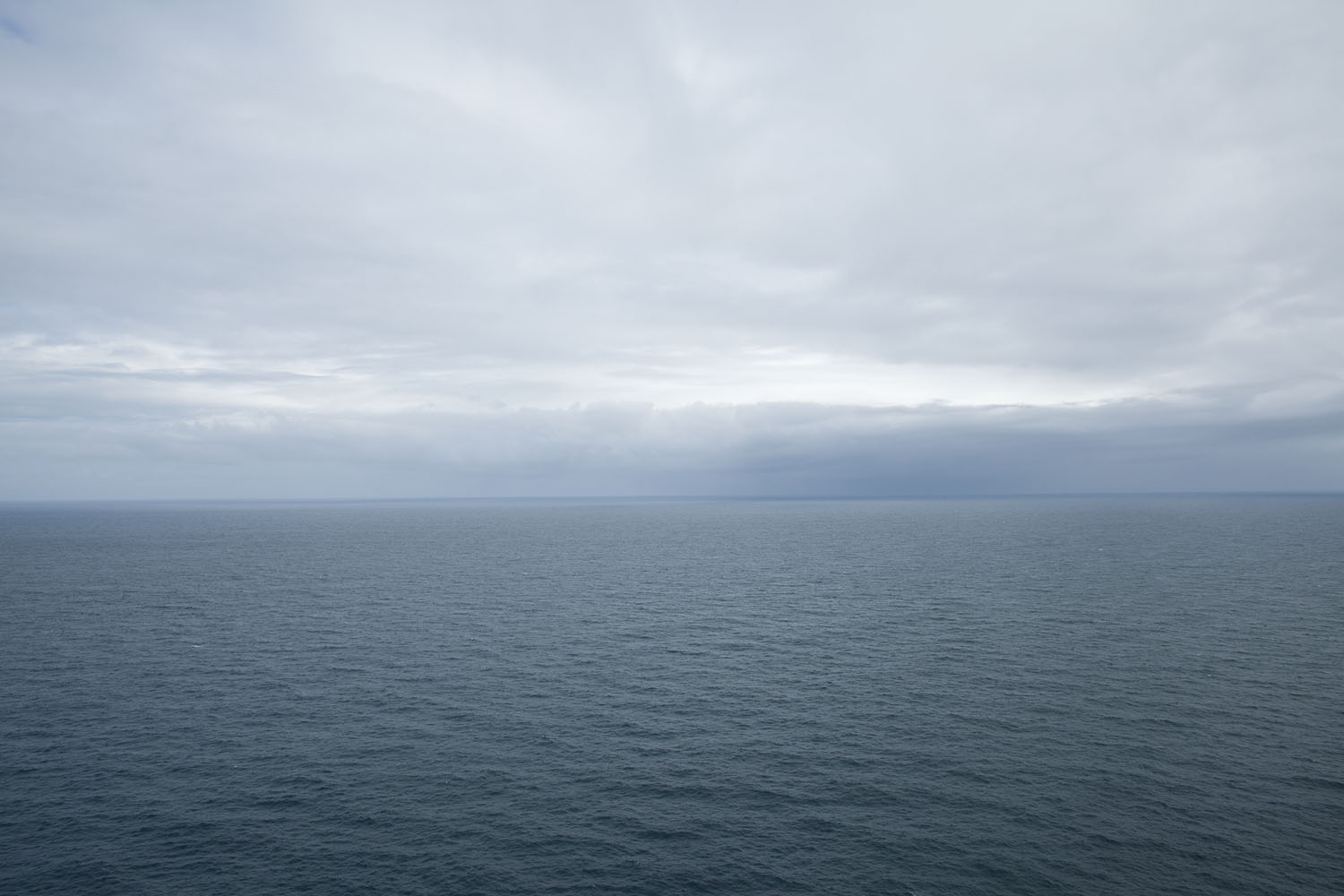
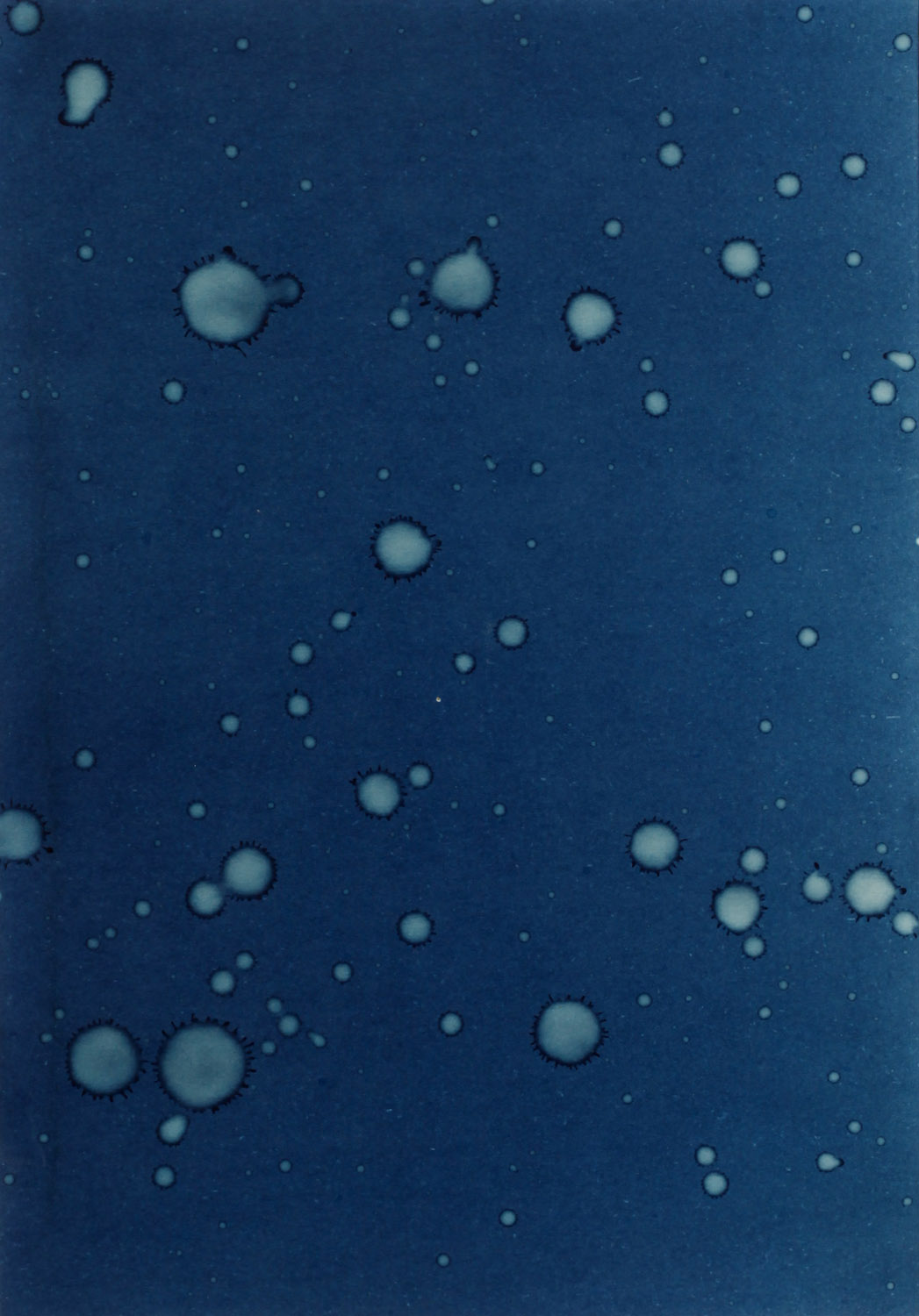
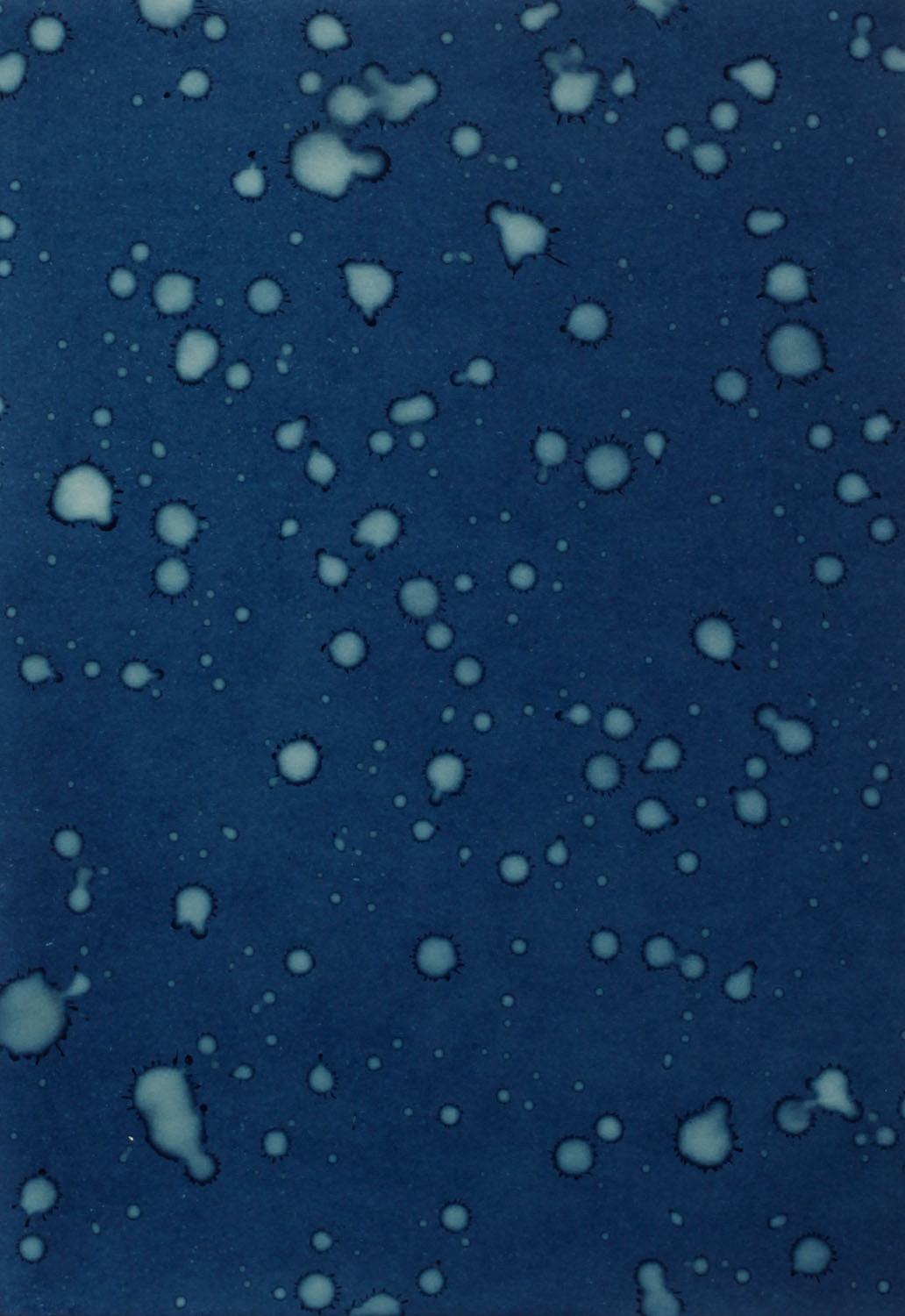
The challenge for the artist was how to photograph something that is present yet not seen. In its most common usage, photography mimics and describes the natural world. How can photography go beyond visual description to convey abstract concerns? In this exhibition, the artist attempts to unsettle the notion of landscapes or seascapes as being stable and pristine. She uses formal elements such as composition and scale, curatorial decisions and the juxtaposition of images to create new associations that communicate a sense of precariousness and instability.
Unsettled Spaces is part of a larger investigation about oceans and seas that Jean Brundrit has been engaged in for many years. The ocean is dynamic. An environmental disaster such as the spill of plastic pellets affects much more than the immediate Galician shoreline. The exhibition includes photographs made in other parts of the world –– including Antarctica and Cape Town, where the artist lives –– all of them connected by the Atlantic Ocean and the water (and pollution) that travels along its currents.
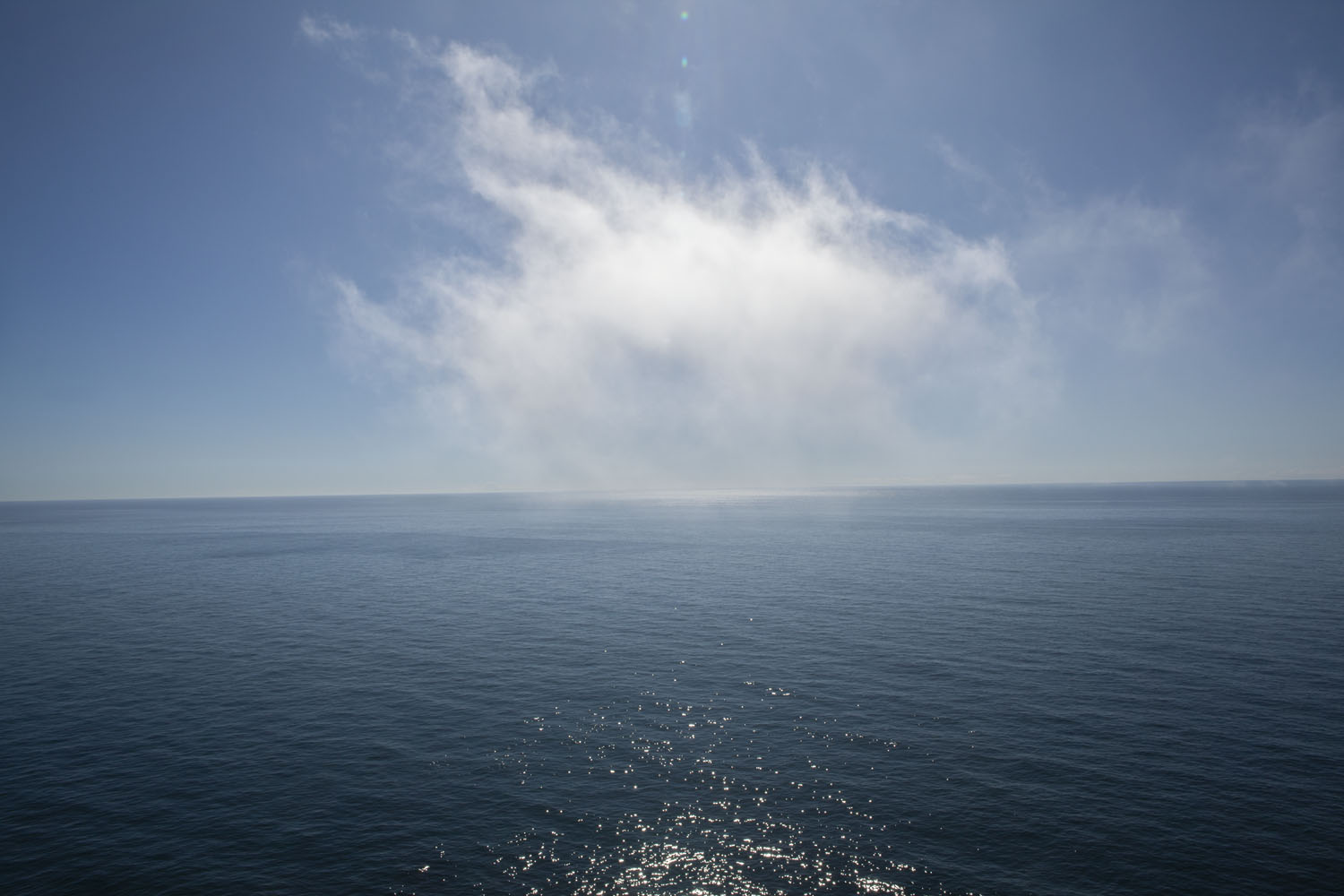
Apart from the geographical connection, the artist made a conceptual link between coastlines. While visiting the lighthouse peninsula at Cape Finisterre, a mist cloud formed over the sea surface, unexpected on a clear sunny afternoon. The mist lingered, shifted in shape and then dissipated suddenly. It was as if something below the sea surface had triggered this apparition. For the artist, the “end of the world” at Cape Finisterre felt conceptually connected to another end of the world, Antarctica.
In Antarctica, Jean Brundrit photographed through a lens made of ice. She wanted to see if ice, when shaped into a lens, could form an image –– and if it could, how ice would “see the world”. The fragility of the melting ice lens echoes the instability of the ice covering Antarctica. Although far from industry, the ice in Antarctica is melting at an alarming rate due to the global increase in greenhouse gasses and the associated rise in temperature. It is estimated that Antarctic ice accounts for over half of the fresh water on Earth. If the ice continues to melt, the rise in sea level will have devastating consequences for the entire planet.
Unsettled Spaces was made possible by Do Picho, where Jean Brundrit was artist in residence shortly after the project opened in August 2024 and where she developed this recent artwork. The artist would like to thank Do Picho, as well as the Instituto de Estudos Ulloans and the Castelo de Pambre Museum for their time and care in realizing this exhibition, and the many residents in Palas de Rei and beyond who provided input.